Best Ecommerce Platforms Compared: Shopify vs WooCommerce vs Others
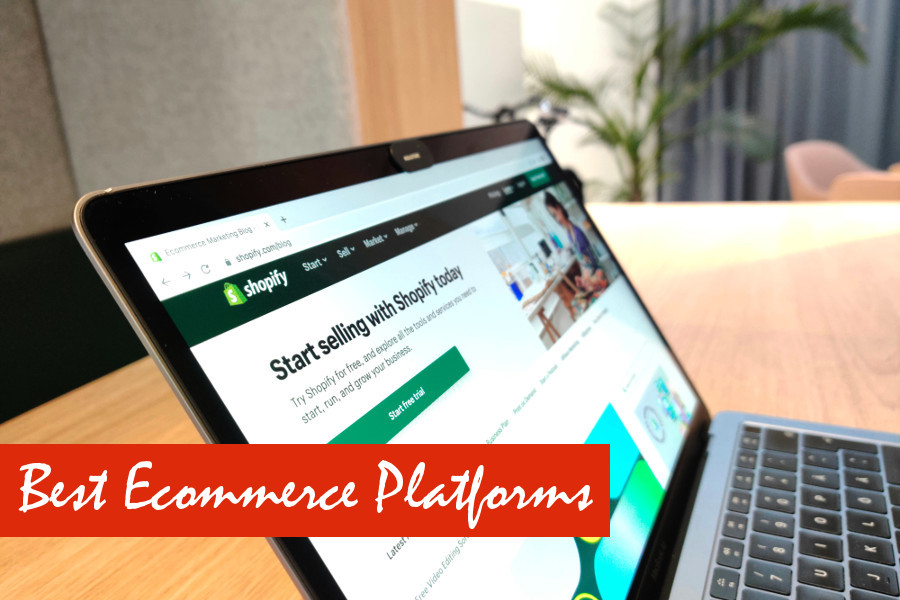
Choosing the right ecommerce platform is one of the most important decisions you’ll make when building an online store. The platform you pick affects your setup time, cost, customization options, security, scalability, and how you manage products and sales. It can also influence your long-term success by shaping the customer experience, website performance, and your ability to adapt to changing business needs.
In this guide, we’ll compare some of the most popular ecommerce platforms used by small businesses, solopreneurs, and online sellers today - like Shopify, WooCommerce, and other strong competitors - so you can make an informed decision about which platform best fits your needs. We’ll break down the advantages and drawbacks of each, highlight who they’re best suited for, and cover key factors to consider when choosing a platform.
Shopify: All‑in‑One Hosted Solution
Shopify is a fully hosted ecommerce platform that lets you launch an online store without worrying about hosting, security, or server management. Its primary appeal is simplicity: Shopify handles all the technical backend work so you can focus on running your business. It’s designed for ease of use and scalability, making it a favorite among new online sellers and established brands alike.
Pros:
- Shopify includes hosting, security, and ecommerce tools out of the box, which removes many of the technical headaches new store owners face.
- It supports multi-channel selling, meaning you can sell on social media platforms like Instagram and Facebook, as well as marketplaces such as Amazon and eBay.
- There’s a large marketplace of apps and integrations that extend functionality, from advanced analytics to marketing automation.
- Shopify regularly updates its platform to keep it secure and compatible with modern ecommerce standards.
Cons:
- Monthly subscription fees apply, which can be more expensive than some self-hosted options if you need advanced features.
- Using third-party payment processors may incur additional transaction fees, adding to the overall cost.
- Shopify offers limited flexibility for custom backend changes, which may frustrate businesses with very specific technical requirements.
Best for: Businesses that want a fast, reliable, and scalable ecommerce setup with minimal technical management. Shopify is ideal for those who want to focus on marketing, sales, and product development without dealing with servers or complex coding.
WooCommerce: Flexible, Open‑Source Ecommerce
WooCommerce isn’t a standalone platform - it’s a plugin that adds ecommerce functionality to a WordPress website. It’s highly customizable and widely used across the web, powering millions of online stores. WooCommerce is particularly appealing to businesses that want complete control over every aspect of their online store.
Pros:
- Virtually unlimited design and functionality through the vast ecosystem of WordPress plugins and themes. You can create highly specific features without being constrained by the platform.
- You control everything from hosting to custom features, giving you the ability to optimize performance and security as needed.
- Costs can remain low if you manage your hosting effectively and only add features you truly need, which is great for budget-conscious entrepreneurs.
- WooCommerce integrates seamlessly with WordPress’s content management system, making it ideal for content-heavy sites or businesses that rely on blogging and SEO.
Cons:
- Because it’s self-hosted, you’re responsible for hosting, maintenance, security, backups, and updates. Without technical expertise, these tasks can be time-consuming or require developer assistance.
- Some plugins can conflict or slow down your website if not carefully managed, making performance optimization an ongoing responsibility.
- Advanced functionality may require coding knowledge or premium extensions, which can add to the cost.
Best for: Businesses that want full control, flexibility, and integration with powerful content management tools. WooCommerce is perfect for those who value customization and are comfortable managing technical aspects of their site - or who have access to a developer.
BigCommerce: Feature‑Rich Scalable Platform
BigCommerce is another hosted ecommerce solution, similar to Shopify, but it differentiates itself through built-in features and scalability options. It’s designed for businesses that want robust functionality without relying heavily on third-party apps. BigCommerce supports both B2C and B2B selling, which makes it versatile for growing businesses with complex requirements.
Pros:
- BigCommerce charges no transaction fees even when using external payment gateways, which can save money as your sales volume increases.
- Extensive built-in ecommerce features reduce the need for extra apps, covering everything from SEO optimization to advanced shipping options.
- Scalable plans grow with your business, supporting more products, higher traffic, and multiple storefronts.
- Strong support for omnichannel sales, including marketplaces, social media, and offline sales through POS integration.
Cons:
- Design flexibility and ease of use can be less intuitive than Shopify, especially for beginners who want a simple drag-and-drop editor.
- Monthly subscription costs are similar to other hosted platforms, which may be a consideration for small businesses with limited budgets.
- Some advanced features, such as custom checkout experiences, may require technical expertise or developer help.
Best for: Medium to larger online stores or businesses planning to scale quickly, especially those needing multi-storefront management and strong out-of-the-box ecommerce features.
Other Notable Platforms: Wix and More
Platforms like Wix provide ecommerce alongside traditional website building tools, offering a drag-and-drop editor with integrated selling capabilities. While they may not have the advanced ecommerce features of Shopify or BigCommerce, they are appealing to beginners and early-stage entrepreneurs who prioritize ease of use.
Pros:
- Extremely easy to set up and manage, requiring little to no technical expertise.
- Intuitive editor allows for highly visual customization without coding.
- Lower entry costs make them accessible for small businesses just starting online.
- Hosting, basic SEO tools, and mobile optimization are typically included, simplifying the setup process.
Cons:
- Scalability can be limited; as your store grows, you may outgrow the platform’s capabilities.
- Advanced ecommerce features, like complex inventory management, multi-currency support, or high-volume checkout optimization, may not be as robust.
- Less flexibility for custom backend solutions compared to platforms like WooCommerce.
Best for: Early-stage sellers, hobbyists, or businesses prioritizing ease of design and fast deployment over advanced ecommerce functionality.
Platform Comparison: Key Factors to Consider
When evaluating ecommerce platforms, consider the following key factors carefully, as they will affect your long-term success:
- Ease of use: How simple is it to set up and manage your store? Consider your technical skills and willingness to handle backend maintenance. Platforms like Shopify excel here, while WooCommerce requires more hands-on management.
- Cost: Look beyond monthly fees. Factor in transaction fees, plugin costs, and any paid add-ons you might need. Self-hosted options like WooCommerce can be cheaper upfront but may require investment in security, hosting, and maintenance.
- Customization: How much control do you have over design and functionality? WooCommerce offers nearly unlimited possibilities, Shopify allows moderate customization, and Wix provides the simplest visual editing tools.
- Scalability: Will the platform support your growth as you add products, increase traffic, and expand to new sales channels? BigCommerce and Shopify are designed for growth, whereas Wix may become limiting for large-scale stores.
- Support and community: Access to customer support and community resources can save you time and prevent frustration. Shopify and BigCommerce offer 24/7 support, while WooCommerce has an active developer community but less centralized support.
- Multi-channel selling: Consider whether you want to sell across marketplaces, social media, or physical stores. Shopify and BigCommerce offer strong multi-channel capabilities out-of-the-box, while WooCommerce may require plugins.
- Security: Ecommerce sites handle sensitive customer data. Hosted platforms like Shopify and BigCommerce manage security updates automatically, while WooCommerce requires you to maintain SSL certificates, plugin updates, and other security measures.
Which Platform Is Right for You?
Shopify: If you want a fast setup, minimal maintenance, and strong support, Shopify is a top choice. It allows you to focus on marketing, products, and sales rather than technical details.
WooCommerce: If you want full control, flexibility, and integration with WordPress content tools, WooCommerce is ideal. It’s best for businesses that can handle - or outsource - the technical aspects of running a self-hosted store.
BigCommerce: For businesses seeking advanced built-in ecommerce features, scalability, and support for multiple storefronts, BigCommerce is a perfect fit. It’s well-suited to businesses with complex selling needs or plans to scale quickly.
Wix and similar builders: Ideal for early-stage sellers, small shops, or businesses prioritizing design simplicity and ease of use over advanced ecommerce functionality.
Ultimately, your choice depends on your business goals, technical skills, budget, and plans for growth. Evaluate the trade-offs carefully, as the right platform can make running your online store significantly easier and more profitable.
Conclusion
Shopify, WooCommerce, BigCommerce, and other ecommerce platforms each offer unique strengths and drawbacks. Shopify provides simplicity and reliability, WooCommerce offers flexibility and control, BigCommerce delivers robust features and scalability, and platforms like Wix cater to beginners and small shops.
There’s no one-size-fits-all solution, but understanding how these platforms compare in terms of ease of use, cost, customization, scalability, and support will help you select the platform that best supports your online business. Whether you’re launching your first store, expanding to new sales channels, or planning to scale into a large operation, choosing the right ecommerce platform early can save time, reduce headaches, and accelerate your path to success.