Web Traffic Analysis: Key Metrics Every Online Marketer Must Track
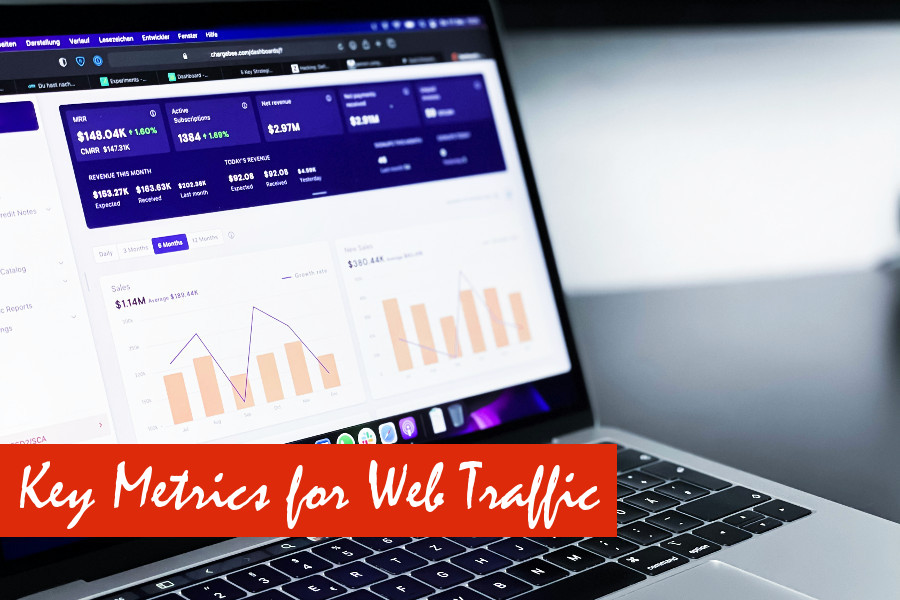
Understanding your website traffic is essential for making informed marketing decisions. Without insights into how visitors interact with your site, it’s nearly impossible to know which strategies are effective and which areas need improvement. For small businesses, freelancers, and digital marketers alike, tracking the right web traffic metrics provides a clear picture of online performance, helping you make smarter, data-driven decisions.
This guide will walk you through the key web traffic metrics and explain how to use them effectively to optimize your website and grow your audience. By the end, you’ll have a deeper understanding of what drives traffic, what engages your visitors, and how to turn visits into meaningful actions.
Step 1: Sessions and Users
Two of the most fundamental metrics in web analytics are sessions and users.
- Sessions represent the total number of visits to your website. Each session starts when a visitor arrives and ends after a period of inactivity or when they leave. Tracking sessions helps you understand overall website traffic patterns, seasonal trends, and the impact of marketing campaigns.
- Users indicate the number of unique individuals visiting your site, regardless of how many times they return. Monitoring users helps you understand the size of your audience and how it changes over time.
Why it Matters: Analyzing sessions and users together gives a complete picture of both volume and reach. For instance, a sudden spike in sessions could indicate a successful campaign, but if users don’t increase proportionally, it may mean the same visitors are returning multiple times rather than attracting new traffic.
Tips for Improvement:
- Compare new vs. returning users to gauge audience loyalty. Returning users often indicate strong engagement and brand trust.
- Pay attention to session duration and patterns; short, frequent sessions might suggest visitors are skimming content, while longer sessions indicate deeper engagement.
These metrics provide a foundation for all other web traffic analysis and help identify trends that guide content, marketing, and conversion strategies.
Step 2: Pageviews and Average Time on Page
Next, it’s essential to examine pageviews and average time on page, which shed light on user engagement.
- Pageviews measure how often specific pages are viewed. High pageviews often indicate content that resonates with visitors or pages that are popular entry points from search engines and social media.
- Average time on page shows how long, on average, visitors spend on a page. Longer durations usually mean the content is engaging and valuable.
Why it Matters: Together, these metrics help you understand both quantity and quality of engagement. For example, a page with high pageviews but very short average time may suggest that visitors are clicking in but not finding what they expected. Conversely, a page with moderate traffic but high engagement may indicate highly relevant content worth promoting more widely.
Tips for Improvement:
- Optimize content to keep visitors engaged longer, such as using multimedia elements, headings, or clear storytelling.
- Consider internal linking to related articles or products to encourage further exploration.
- Identify underperforming pages and refresh their content to improve engagement metrics.
Tracking these metrics consistently allows you to identify your strongest content, discover patterns in visitor behavior, and make adjustments that enhance the overall user experience.
Step 3: Bounce Rate
Bounce rate is another crucial metric. It represents the percentage of visitors who leave your website after viewing only one page. While it may seem simple, bounce rate reveals a lot about visitor satisfaction and site usability.
Why it Matters: A high bounce rate can indicate several issues:
- Poor content that fails to meet user expectations
- Confusing navigation that makes it hard to explore other pages
- Slow page load times that frustrate visitors
By analyzing bounce rate alongside other metrics, you can determine which pages may need improvement or redesign.
Tips for Improvement:
- Use internal links to guide visitors to related content.
- Incorporate engaging calls-to-action (CTAs) to encourage interaction.
- Ensure a clean, clear layout that makes it easy for visitors to navigate.
- Optimize page load speeds to reduce frustration and keep visitors engaged.
Lowering your bounce rate generally means visitors are spending more time on your site, interacting with multiple pages, and engaging with your content - ultimately leading to higher chances of conversions.
Step 4: Traffic Sources
Understanding where your visitors come from is essential for optimizing marketing efforts. Traffic sources can be broken down into five main categories:
- Direct traffic – Visitors who type your URL directly into their browser or use a bookmark. This often indicates strong brand recognition or loyal returning visitors.
- Organic search – Visitors who find your website through search engines like Google or Bing. Optimizing for SEO increases the likelihood of attracting high-quality organic traffic.
- Referral – Visitors coming from other websites, blogs, or forums. Referral traffic can indicate strong partnerships or valuable mentions elsewhere online.
- Social – Visitors who click through from social media platforms such as Facebook, Instagram, LinkedIn, or Twitter.
- Paid – Visitors from paid advertising campaigns, including Google Ads, social media ads, or other forms of digital marketing.
Why it Matters: By analyzing traffic sources, you can identify which channels are most effective and allocate resources accordingly. For example, if organic search drives significant traffic but conversions are low, you might focus on improving SEO content quality or user experience.
Tips for Improvement:
- Tailor campaigns for high-performing channels.
- Experiment with underperforming sources to diversify traffic streams.
- Use UTM parameters and analytics tools to track the performance of specific campaigns accurately.
This level of insight allows marketers to focus on channels that provide the best return on investment while discovering new opportunities for growth.
Step 5: Conversions and Goals
While traffic metrics are important, the ultimate goal for most websites is to convert visitors into customers or leads. Conversions measure the actions you want visitors to take, such as making a purchase, signing up for a newsletter, or downloading a resource.
Why it Matters: Tracking conversions gives you insight into how effectively your website fulfills its purpose. For example:
- A high number of visitors with low conversions may indicate that your content is engaging but your CTAs or conversion paths are unclear.
- Monitoring conversion rates allows you to evaluate the effectiveness of campaigns, landing pages, and overall website design.
Tips for Improvement:
- Set up goals in Google Analytics or other analytics platforms to track conversions.
- Use A/B testing to experiment with different headlines, layouts, CTAs, and forms.
- Monitor conversion rates regularly to identify trends and areas needing optimization.
By consistently tracking and analyzing conversions, you can improve your return on investment, better understand your audience’s needs, and implement strategies that turn visitors into loyal customers.
Step 6: Device and Location Metrics
Understanding your audience’s devices and locations is essential for creating an optimized user experience. These metrics provide actionable insights about how visitors interact with your website and where they come from.
- Device metrics break down traffic by desktop, mobile, and tablet usage. This helps ensure your website is responsive and functions smoothly across all devices. Mobile optimization is especially critical, as mobile traffic often accounts for a significant portion of visits.
- Location metrics reveal the geographic regions of your visitors. This data is valuable for tailoring content, promotions, and campaigns to specific audiences or regions.
Why it Matters: Knowing the devices and locations of your visitors allows you to design better user experiences and target campaigns more effectively. For example:
- If a large percentage of users access your site via mobile, prioritize mobile-friendly design and fast-loading pages.
- If traffic is concentrated in certain countries or cities, consider localized content or promotions to better meet those users’ needs.
Tips for Improvement:
- Implement responsive design principles for all devices.
- Use geotargeted marketing strategies to reach audiences in high-traffic regions.
- Monitor device and location trends over time to anticipate changes in user behavior.
By paying attention to these metrics, you can ensure that your website provides a seamless, tailored experience for every visitor, regardless of how or where they access it.
Conclusion
Tracking web traffic metrics such as sessions, pageviews, bounce rate, traffic sources, conversions, and device/location data provides invaluable insights for small businesses, freelancers, and online marketers. These metrics help you understand your audience, optimize your website, and make data-driven decisions that drive growth.
Regularly analyzing web traffic allows you to:
- Identify which content engages visitors the most.
- Understand where your traffic comes from and which channels to invest in.
- Optimize your website for all devices and audiences.
- Improve conversions and measure the effectiveness of your marketing campaigns.
In today’s competitive digital landscape, relying solely on intuition is not enough. By focusing on the right metrics, you can continually refine your strategies, increase engagement, and ultimately grow your online presence with confidence. Tracking and analyzing your website traffic is not just a technical task - it’s a roadmap for success.