How to Accept Credit Card Payments Online Safely and Easily on Your Website
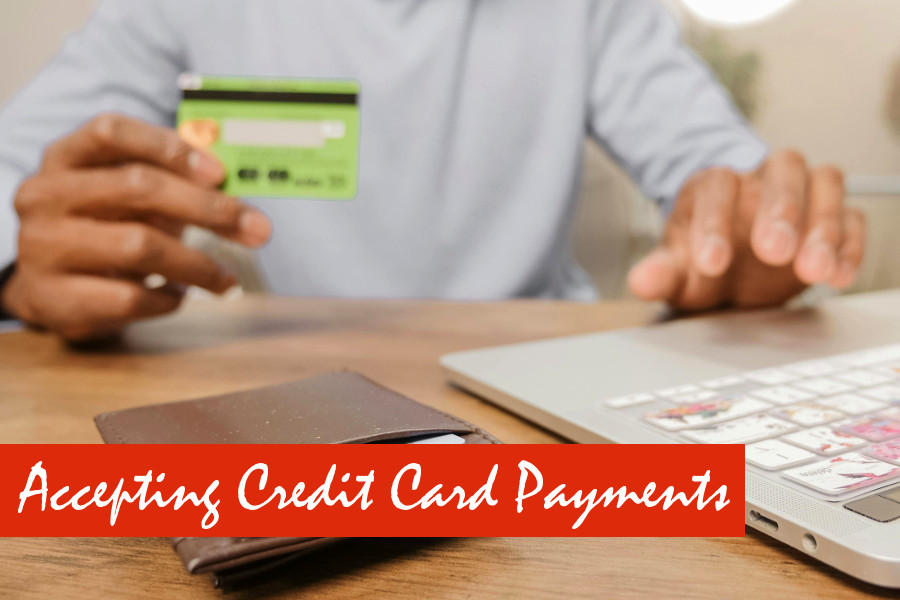
Accepting credit card payments online is essential for any small business, freelancer, or solopreneur selling products or services. A smooth, secure payment process not only makes it convenient for customers to complete their purchases but also builds trust and increases conversion rates.
In today’s digital economy, customers expect quick, seamless, and safe online transactions. This guide will explain the different ways to accept payments online, key considerations for security, and step-by-step tips to get started, ensuring you can confidently manage online transactions.
Step 1: Understand the Basics of Online Payments
Before diving into payment gateways and integrations, it’s important to understand how online payments work. When a customer pays by credit card online, the payment goes through a series of steps involving multiple systems, all designed to process the transaction securely and efficiently:
- Payment Gateway: This is the software that facilitates the transaction. It securely transmits your customer’s card details to the payment processor and returns a confirmation of whether the payment was successful. Popular examples include Stripe, PayPal, and Square. Think of it as the “middleman” that ensures sensitive payment data is handled safely.
- Merchant Account: A merchant account is like a holding account for the funds your business receives. After a transaction is approved, money sits in the merchant account before being transferred to your regular bank account. Some payment gateways include this as part of their service, while others require you to set one up separately.
- Processor: The processor communicates with the cardholder’s bank and your merchant account to authorize and complete the transaction. It checks whether the card is valid and that sufficient funds are available.
Understanding these components helps you choose the right tools for your business and ensures transactions are safe and efficient. Without a clear understanding, it’s easy to select a payment solution that is either too complicated or insufficiently secure.
Step 2: Choose a Payment Gateway
A payment gateway is the cornerstone of online transactions. It authorizes and processes credit card payments while keeping sensitive information secure. There are many gateways available, and choosing the right one depends on your business type, target market, and technical skills. Popular options include:
- Stripe: Known for its developer-friendly platform, Stripe is ideal for online stores and subscription-based businesses. It offers extensive customization, automated recurring billing, and a range of developer tools to integrate seamlessly into your website.
- PayPal: Trusted worldwide, PayPal is easy to set up and widely recognized by customers. Its reputation for security can increase buyer confidence, especially for international customers. PayPal also offers “PayPal Checkout” buttons that can be embedded directly on your website.
- Square: Great for small businesses, Square offers both online and offline payment processing. Its integration with point-of-sale (POS) systems makes it ideal for businesses that sell in-store and online.
When selecting a gateway, consider transaction fees, supported countries and currencies, ease of integration, and customer support. Some gateways may charge a flat fee per transaction, while others take a percentage of sales. Weigh these costs against the benefits of security, convenience, and reputation.
Step 3: Set Up a Merchant Account (If Needed)
A merchant account is necessary for businesses that want to accept credit card payments directly. Some gateways, like Stripe and PayPal, combine the gateway and merchant account, simplifying the setup process. However, in some cases, a separate merchant account may be required. Having a merchant account allows you to:
- Accept credit card payments directly on your website, providing a smoother checkout experience.
- Reduce reliance on third-party checkout pages, which can feel less professional and may deter some customers.
- Access funds more quickly, depending on your processor’s payout schedule.
When choosing a merchant account, consider your business size, sales volume, and the types of cards you want to accept. For high-volume businesses, a dedicated merchant account can lower per-transaction fees and provide better reporting tools.
Step 4: Ensure Security and PCI Compliance
Security is paramount when handling credit card payments. Customers trust businesses that protect their financial information, and failing to do so can result in financial loss, chargebacks, and reputational damage. Key steps to ensure security include:
- Use an SSL Certificate: Secure Socket Layer (SSL) encryption ensures that data transmitted between your website and the payment processor cannot be intercepted. Websites with SSL display a padlock icon in the browser, reassuring visitors that their information is safe.
- Choose PCI-Compliant Gateways: The Payment Card Industry Data Security Standard (PCI DSS) outlines how credit card data should be handled. Using a gateway that complies with these standards protects both you and your customers from fraud.
- Regularly Update Software: Keep your website, plugins, and payment tools updated to fix security vulnerabilities. Cybercriminals often exploit outdated systems to steal data.
- Implement Strong Passwords and Two-Factor Authentication: For both your website and payment accounts, strong, unique passwords combined with two-factor authentication add an extra layer of protection.
Security isn’t a one-time task - it’s an ongoing commitment. Regularly reviewing your payment systems and updating protocols ensures long-term protection against fraud.
Step 5: Integrate Payment Options on Your Website
Once your payment gateway and merchant account are ready, you need to integrate payment options on your website. There are several approaches:
- Hosted Checkout Pages: Redirect customers to your gateway’s secure page to complete payment. This is simpler to set up and ensures the highest security, as the gateway handles sensitive data.
- Embedded Forms or APIs: Allow customers to pay directly on your site without redirection. This provides a more professional and seamless user experience but requires more technical setup.
- Ecommerce Platforms: Platforms like Shopify, WooCommerce, Wix, and Squarespace often include built-in payment integrations. These platforms simplify the process, making it easy to add credit card payments without deep technical knowledge.
When deciding on the integration method, balance user experience, security, and ease of setup. For example, embedded forms may look more professional but require more maintenance, while hosted pages are simpler but slightly less customizable.
Step 6: Test the Payment Process
Testing your payment system is critical before going live. Even a small error can frustrate customers or result in lost revenue. Steps to thoroughly test your system include:
- Use Sandbox or Test Modes: Most payment gateways provide a sandbox mode where you can simulate transactions without moving real money. This allows you to check the flow of payments and troubleshoot issues.
- Process Small Transactions: Conduct real transactions with minimal amounts to ensure your gateway, merchant account, and bank deposits are functioning correctly.
- Confirm Notifications and Receipts: Make sure customers receive confirmation emails or receipts, and check that you receive proper notifications for each transaction.
Testing ensures customers have a smooth, trouble-free experience, which can reduce cart abandonment and increase trust in your website.
Step 7: Monitor Transactions and Fraud
Setting up your payment system is just the beginning. Ongoing monitoring is essential to prevent fraud and maintain smooth operations. Important practices include:
- Review Transaction Reports: Regularly examine transactions for unusual patterns, such as repeated high-value purchases or multiple failed attempts from the same IP address.
- Enable Fraud Detection Features: Many gateways offer fraud protection tools, including AI-based risk assessments, address verification, and velocity checks (limiting rapid multiple purchases).
- Maintain Customer Support Channels: Ensure customers can contact you easily with payment-related questions or issues. Prompt support helps resolve disputes quickly and reduces chargebacks.
Being proactive in monitoring and managing fraud not only protects your business financially but also maintains customer trust. Ignoring unusual activity can result in significant losses and reputational damage.
Conclusion
Accepting credit card payments online safely and easily is achievable for small businesses, freelancers, and solopreneurs. By understanding how online payments work, choosing the right payment gateway, setting up a merchant account if necessary, and ensuring strong security measures, you can create a reliable and trustworthy payment experience. Integrating payments smoothly on your website, thoroughly testing the system, and monitoring transactions for fraud ensures customers feel confident completing purchases.
A professional, secure, and seamless payment process can significantly boost conversions, encourage repeat business, and build lasting customer trust. With careful planning and ongoing diligence, accepting credit card payments online becomes not only manageable but also a powerful driver of business growth.