How to Track and Measure SEO Performance Using Analytics Tools
Tracking your SEO performance is crucial to understanding what works and where improvements are needed. For small businesses, solopreneurs, and digital marketers, analytics tools provide invaluable insights into website traffic, keyword rankings, user behavior, and conversions. Without proper tracking, it’s difficult to know if your efforts are paying off or if your strategy needs adjustment. This guide explains how to effectively measure SEO results using both free and premium tools, ensuring your website reaches its full potential in search engine visibility.
Step 1: Set Up Google Analytics
Google Analytics is the most widely used tool for monitoring website traffic and user behavior. Its robust features allow you to track detailed metrics about how visitors interact with your website, making it an essential part of any SEO toolkit.
Steps to set it up:
- Create a Google Analytics account and add your website. Sign up at analytics.google.com, set up a property for your website, and configure the account settings.
- Install the tracking code on your website. This code collects data on user sessions, pageviews, and interactions. Most website platforms, such as WordPress or Shopify, provide plugins or built-in options to easily install the code.
- Verify data is being collected correctly. Check the real-time reports to ensure visits are being recorded.
Google Analytics provides data on pageviews, session duration, bounce rates, and traffic sources. This allows you to understand how users navigate your site, which pages keep them engaged, and where they may drop off. For example, a high bounce rate on a key landing page may indicate a mismatch between user expectations and content, signaling the need for optimization. Additionally, you can segment data by device, geography, or traffic source, giving you deeper insights into your audience and how they interact with your content.
Step 2: Use Google Search Console
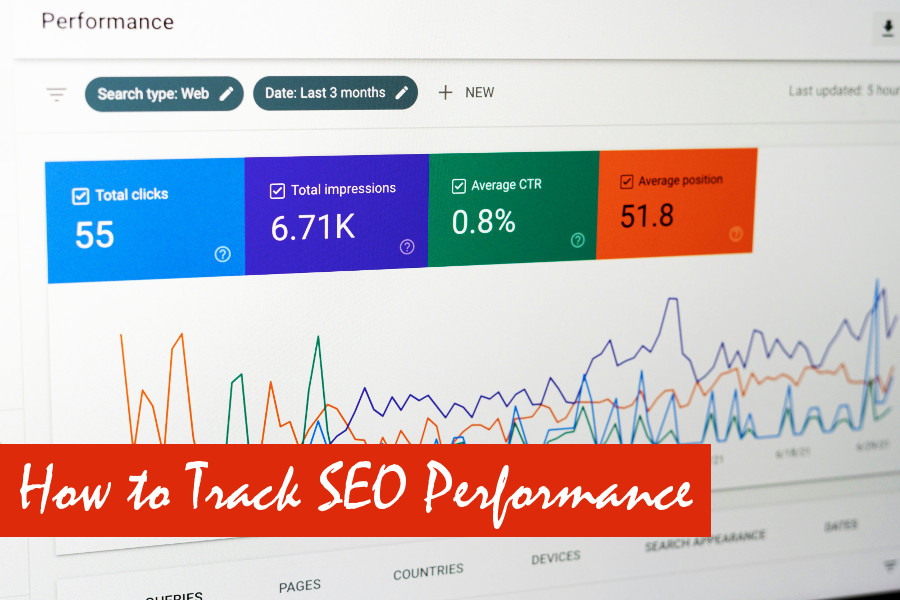
Google Search Console (GSC) shows how your site appears in search results and identifies potential issues that could affect your rankings. Unlike Google Analytics, which focuses on user behavior, GSC focuses on search performance and indexing.
Key metrics to monitor include:
- Impressions and clicks for search queries: See which queries bring users to your website.
- Average position for keywords: Track how your pages rank for targeted keywords over time.
- Click-through rate (CTR): Determine how often users click on your link in search results compared to how often it appears.
- Index coverage and crawl errors: Identify technical issues such as broken pages, sitemap errors, or blocked resources that prevent Google from properly indexing your site.
GSC helps identify which keywords drive traffic, which pages perform best, and any technical issues affecting SEO. For instance, if a page has many impressions but a low CTR, you might need to improve its *meta description* or *title* to make it more compelling. Regularly reviewing this data allows you to prioritize SEO tasks that have the highest impact on search visibility.
Step 3: Track Keyword Rankings
Monitoring keyword rankings is essential to gauge SEO success. Rankings show whether your optimization efforts are effective and help you stay competitive in your niche.
Tools to consider:
- Ahrefs Rank Tracker: Track multiple keywords and competitor positions, and identify keywords that have gained or lost ranking.
- SEMrush Position Tracking: Provides keyword visibility and trends over time, helping you spot seasonal or market-related fluctuations.
- Moz Pro: Offers keyword tracking along with SERP feature analysis, such as featured snippets and local packs.
Regular ranking checks reveal trends, highlight SEO wins, and show areas needing optimization. For example, if a target keyword drops several positions, you may need to refresh content, improve internal linking, or acquire additional backlinks. Tracking rankings over time also helps you measure the impact of content updates or technical SEO changes, making it easier to justify investment in specific strategies.
Step 4: Measure Backlinks and Domain Authority
Backlinks remain one of the most important factors for search engine rankings. They indicate trust and authority in your niche, so monitoring them is critical to maintain a strong SEO profile.
Tools for monitoring backlinks include:
- Ahrefs: Provides comprehensive backlink analysis, identifying referring domains, link quality, and opportunities for outreach.
- SEMrush Backlink Analytics: Evaluates link quality, toxicity, and trends over time, helping you avoid harmful links.
- Moz Link Explorer: Tracks domain authority and the number of referring domains, providing a high-level view of your link profile.
Monitoring backlinks ensures your off-page SEO efforts are effective and helps maintain a healthy link profile. For example, losing a high-quality backlink could affect rankings, while gaining links from authoritative sites can boost visibility. Additionally, identifying toxic links allows you to take corrective action, such as requesting removal or disavowing harmful URLs. A strong backlink strategy complements your content and technical SEO efforts, resulting in more consistent search performance.
Step 5: Monitor User Behavior Metrics
User engagement signals play a significant role in SEO rankings. Search engines increasingly value how users interact with your content, which makes tracking behavior metrics essential.
Key metrics to track include:
- Average session duration: Measures how long users stay on your site. Longer sessions usually indicate engaging content.
- Bounce rate: The percentage of users leaving without interacting. A high bounce rate may signal irrelevant content or poor usability.
- Pages per session: Indicates how many pages users visit on average. Higher numbers suggest better internal linking and content relevance.
- Conversion rate: Shows the percentage of visitors completing desired actions, such as signing up for a newsletter or making a purchase.
Understanding user behavior allows you to improve website design, content, and overall user experience. For example, if visitors frequently leave after reading one article, consider adding related content links, optimizing the page layout, or improving page load times. Enhancing engagement not only improves SEO but also increases the likelihood of achieving business goals, whether it’s generating leads or driving sales.
Step 6: Combine Data for Comprehensive Insights
For deeper insights, it’s important to combine data from multiple tools rather than relying on a single source. Each platform provides unique metrics, and integrating them gives a holistic view of your SEO performance.
Practical ways to combine metrics include:
- Compare keyword performance in Google Search Console with traffic data in Google Analytics. This reveals whether high-ranking keywords are translating into actual visits.
- Identify pages with high impressions but low CTR and optimize titles, meta descriptions, or featured snippets to increase clicks.
- Track backlinks alongside page performance to see which links drive traffic and contribute to higher engagement or conversions.
- Analyze user behavior metrics alongside keyword rankings to understand if your top-ranking pages are effectively engaging visitors.
By correlating different metrics, you gain actionable insights that can guide strategic decisions. For instance, combining GSC and Analytics data may reveal opportunities to improve underperforming pages, while linking ranking and backlink data highlights content that benefits most from outreach efforts. A comprehensive approach ensures your SEO strategy is not just reactive but data-driven, allowing for continuous improvement.
Conclusion
Measuring SEO performance is essential for improving your website’s visibility, engagement, and overall effectiveness. By using tools like Google Analytics, Google Search Console, and premium SEO platforms such as Ahrefs, SEMrush, or Moz, you can track traffic, keyword rankings, backlinks, and user behavior with precision.
Regular monitoring allows you to identify trends, uncover issues, and optimize content and technical elements to maximize results. SEO is not a one-time task; it’s an ongoing process that requires consistent attention and adjustment. By integrating multiple metrics, understanding user behavior, and maintaining a healthy link profile, your SEO efforts become more strategic and effective.
Ultimately, the goal is to ensure your website not only ranks higher in search engines but also delivers value to users. Analytics tools provide the insights needed to make informed decisions, improve user experience, and achieve measurable growth. With a structured approach to tracking and measuring SEO performance, businesses of all sizes can refine their strategies, gain a competitive edge, and reach their digital marketing objectives with confidence.